Insights

Original writing on executive search, post-placement integration, and the structural decisions that compound.


From the ETHOSLINK Advisory Team. Written for operators, by operators. Every figure we cite is consolidated in the Data Reference.

Bar chart on dark navy comparing four sources on US Chief AI Officer pay — ZipRecruiter $151,203, Comparably $259,523, Glassdoor $352,629 and Heidrick & Struggles $540,000-plus — the bars widening steeply to show a 3.5 times spread on a single job title

AI Leadership

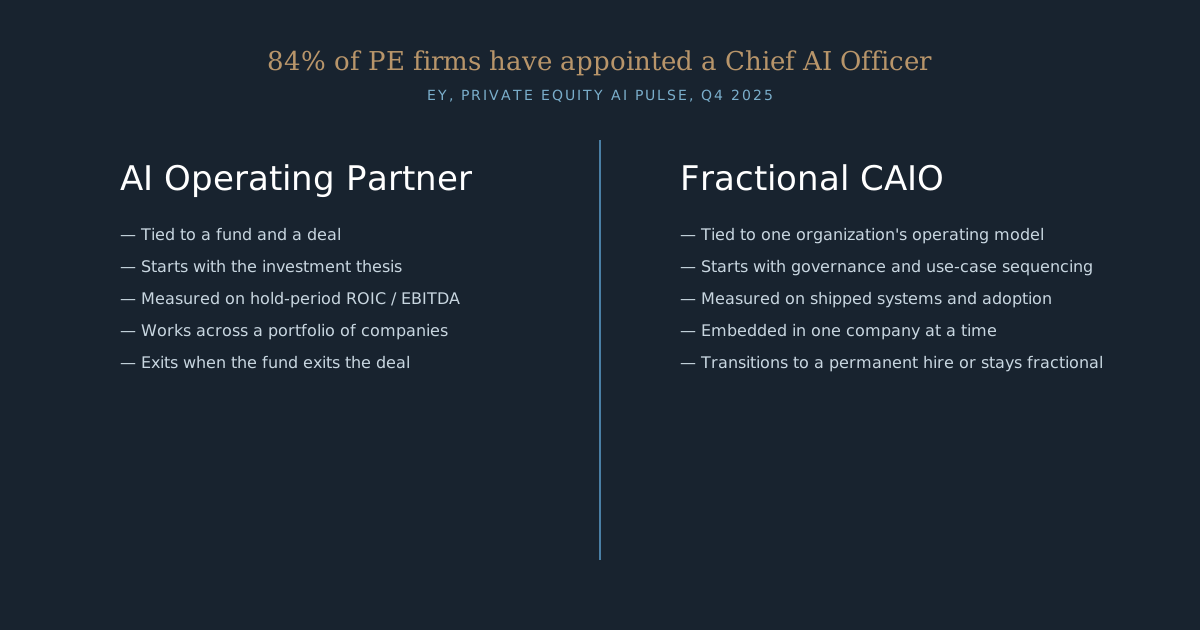
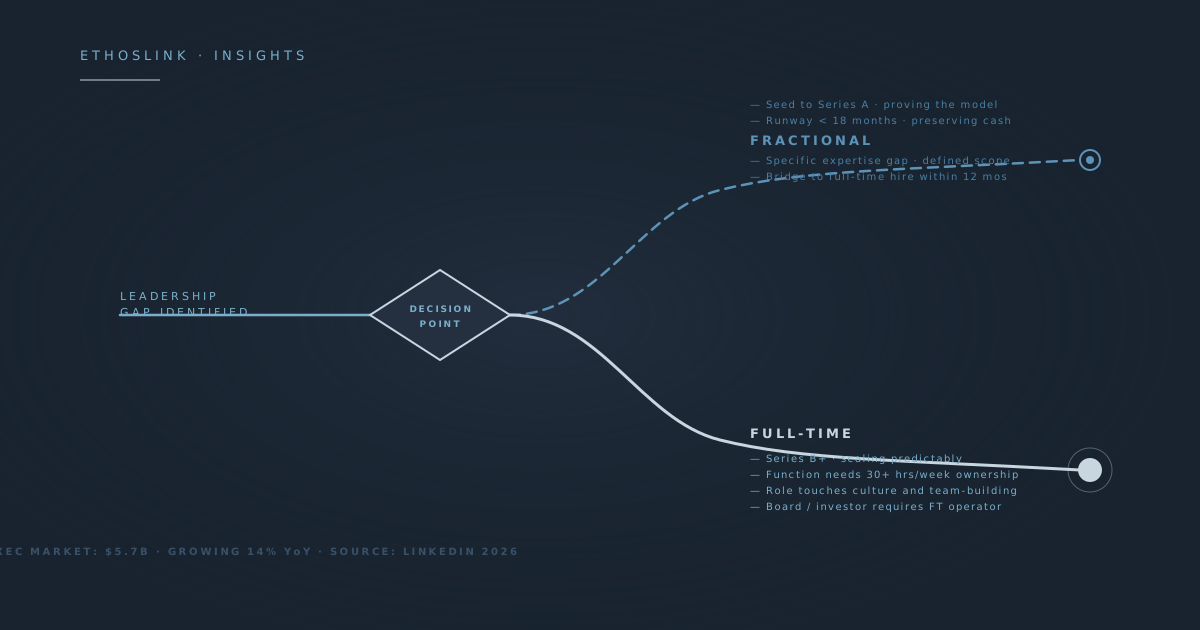
What Is a Fractional Chief AI Officer?

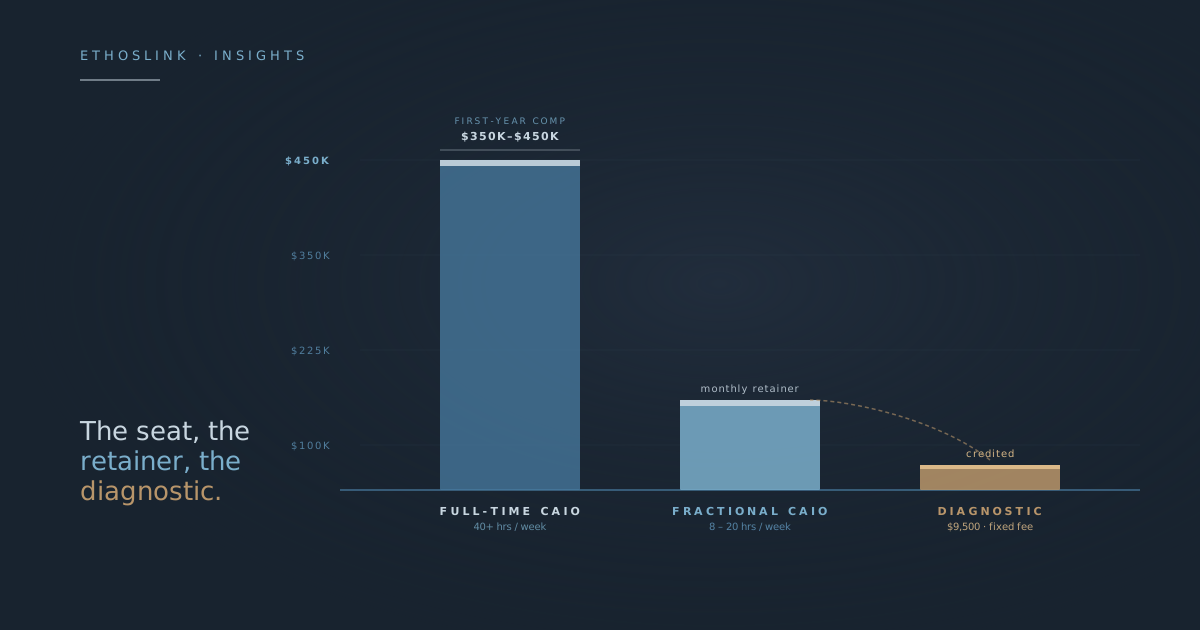
Four salary surveys price the full-time role between $151,203 and $540,000+. A 3.5× spread on one job title is the case for renting the judgment before you buy the seat.
7 min read Read →
Illustration for article: The Offer Gap

Executive Search

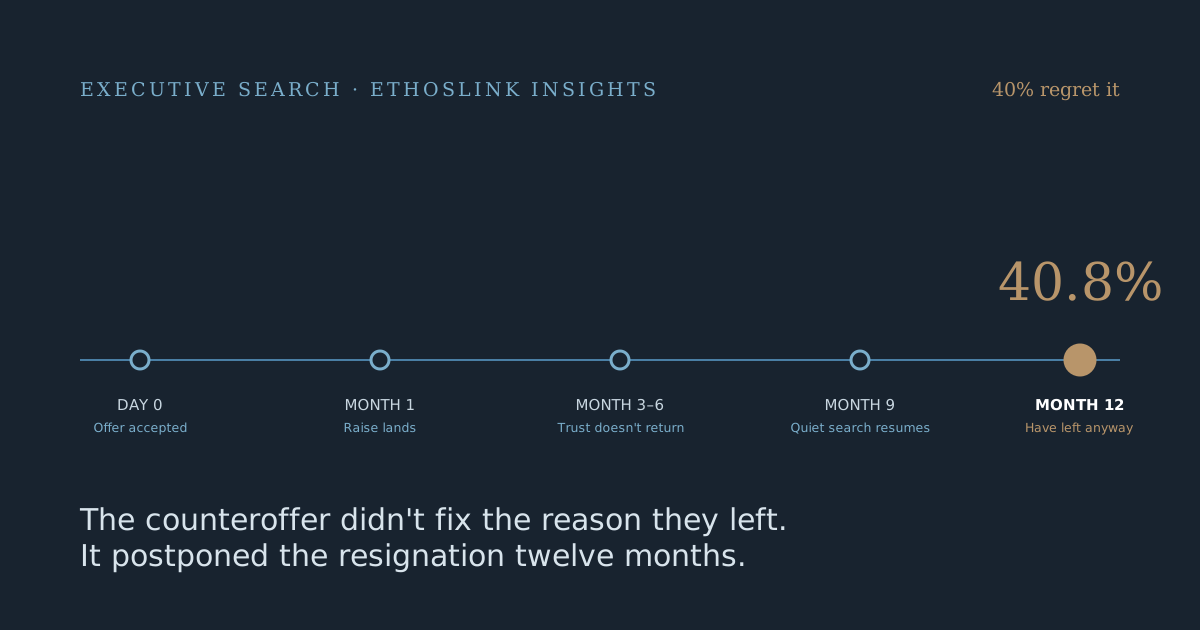
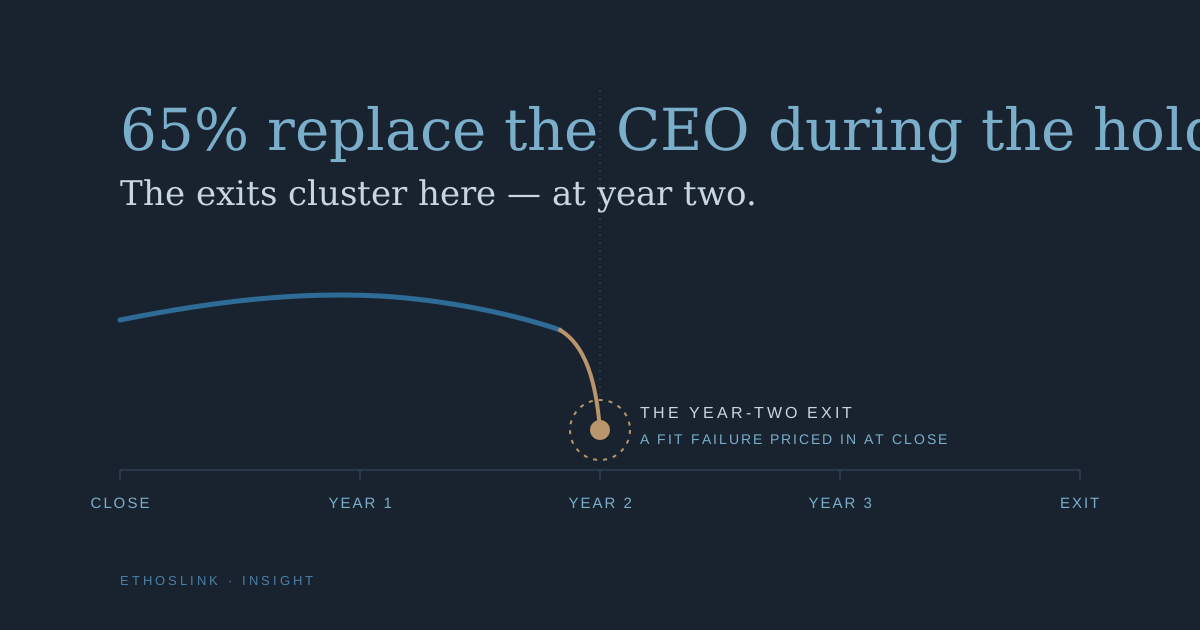
The Offer Gap: Where Executive Searches Actually Die

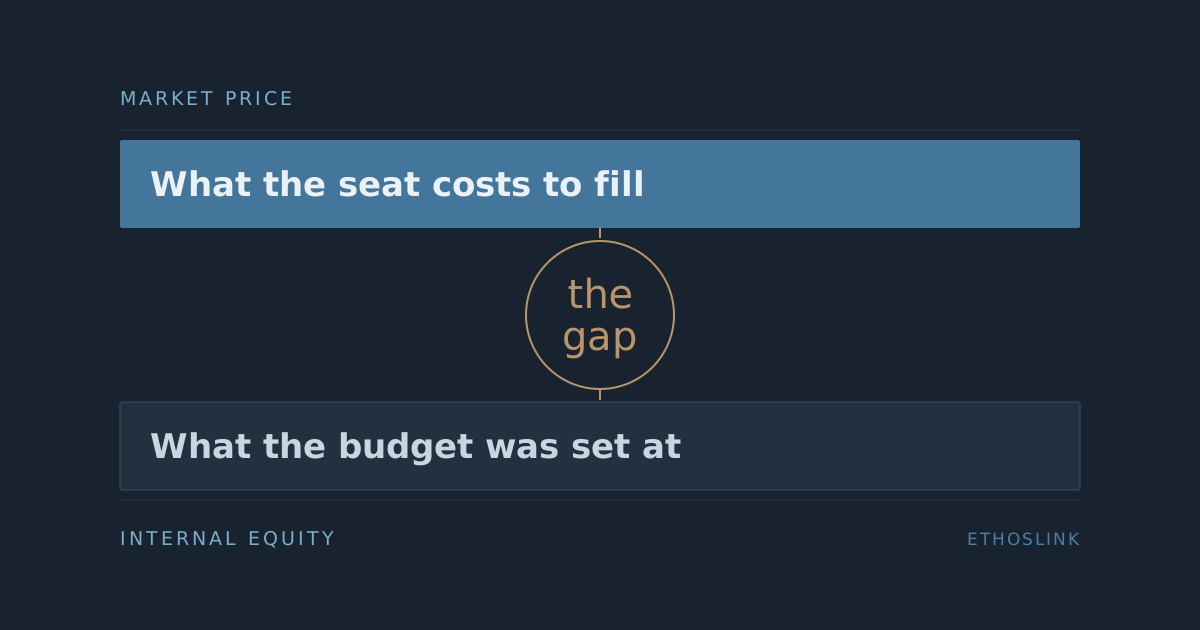
Searches rarely fail in sourcing. They fail at the offer, where a budget set from internal equity meets a price set by the external market. The 2026 compensation data, and how to close the gap before it costs you the finalist.
9 min read Read →
Illustration for article: Why You Cant Find The Right Person

Executive Search

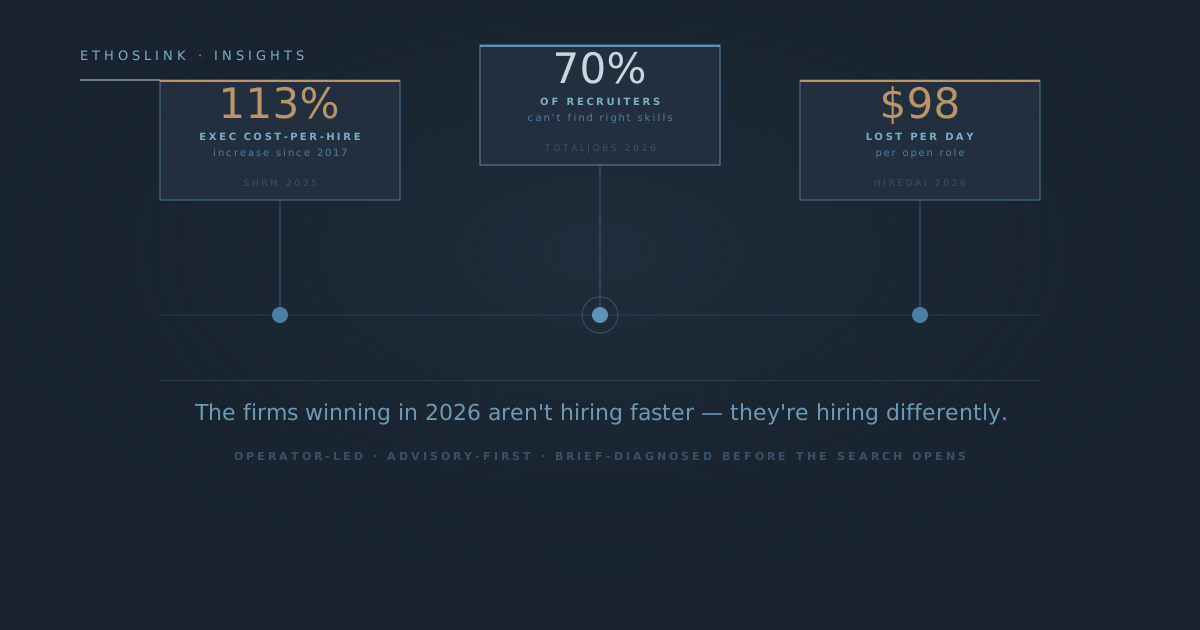
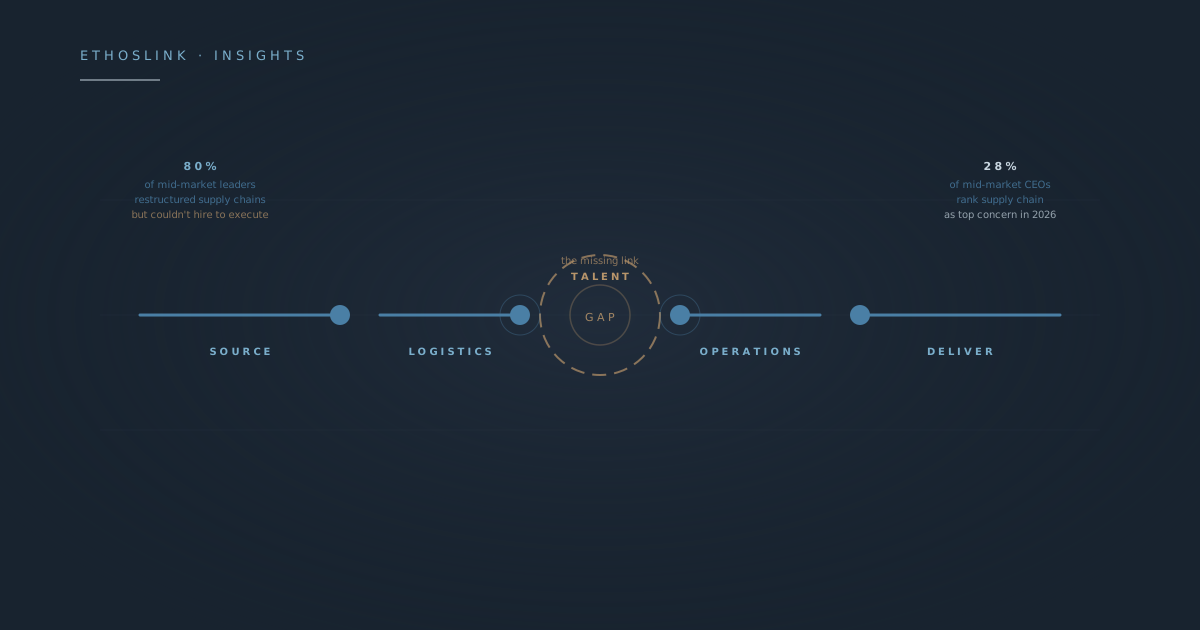
Why You Can't Find the Right Person: The Hiring Math Nobody Runs

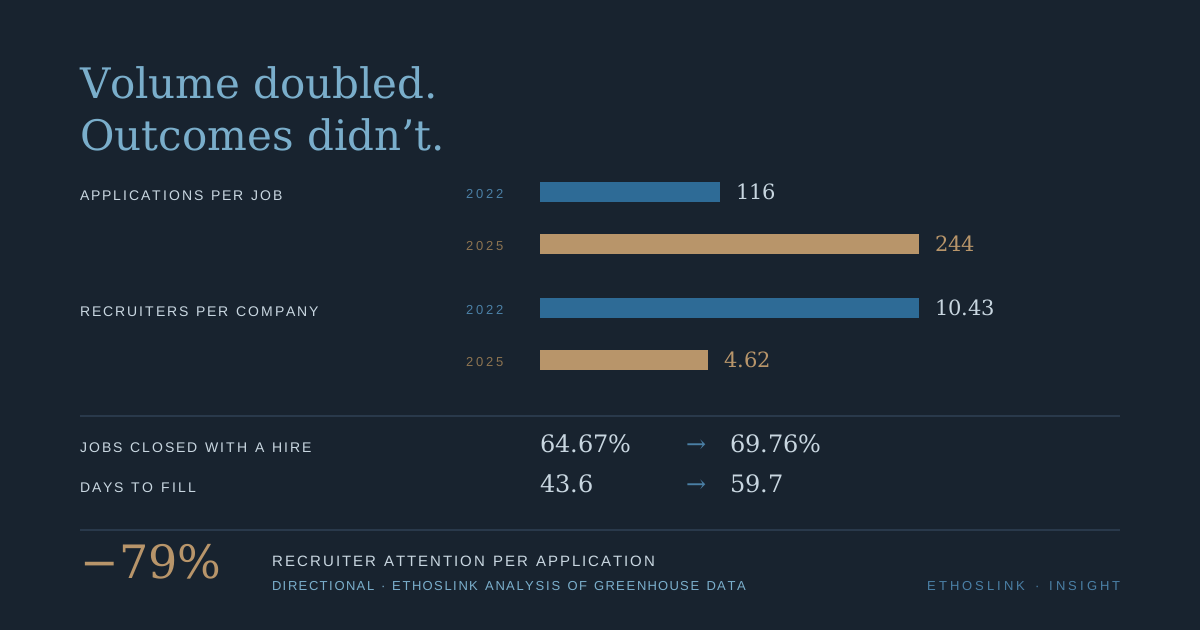
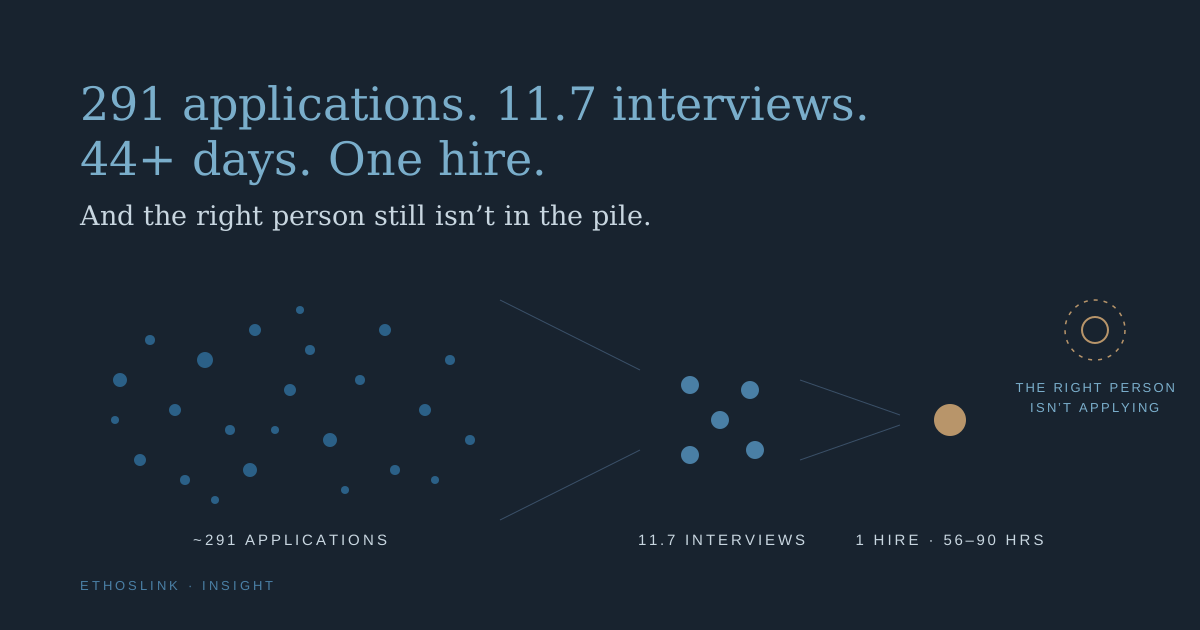
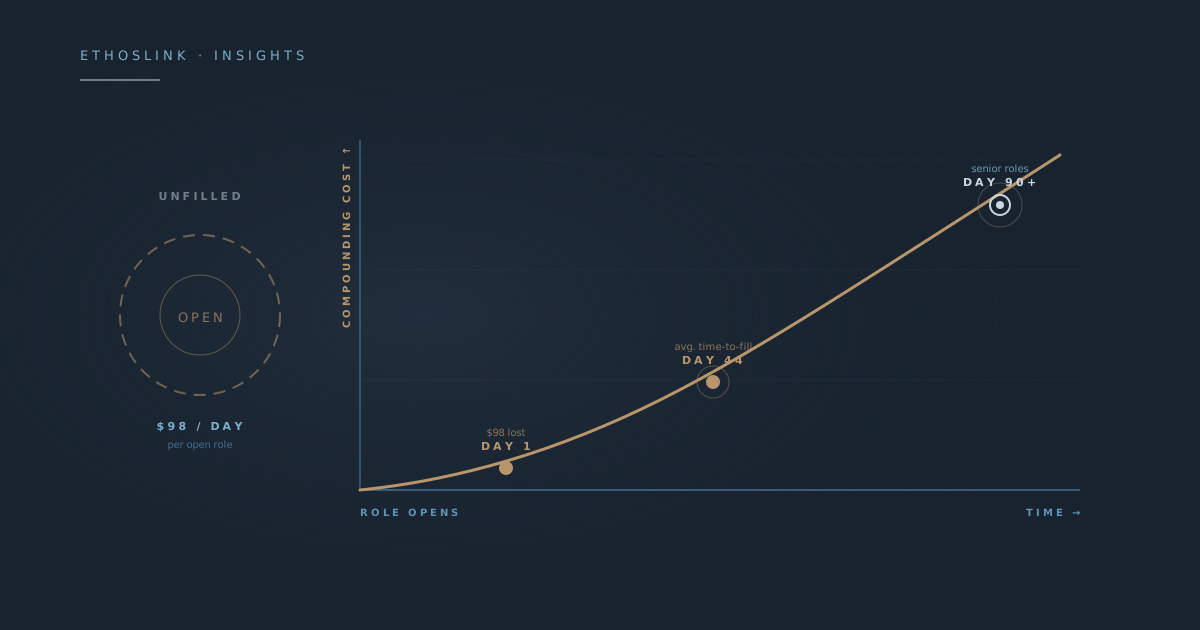
One hire now takes ~291 applications, 11.7–17.6 interviews, and 44+ days — roughly double 2022's intensity — and the right person still isn't in the pile. The 56–90 hour internal ledger nobody runs, and when a credible search firm becomes the cheaper path.

9 min read Read →
Illustration for article: Retained Vs Contingency Search

Executive Search

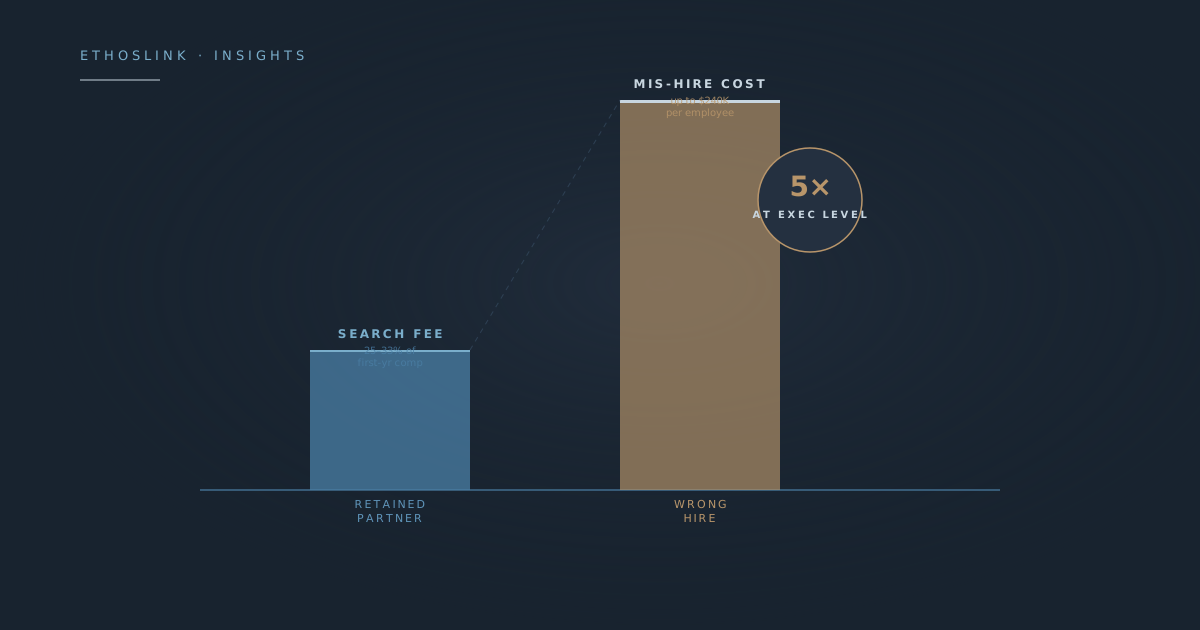
Retained vs. Contingency Search: What It Actually Costs You

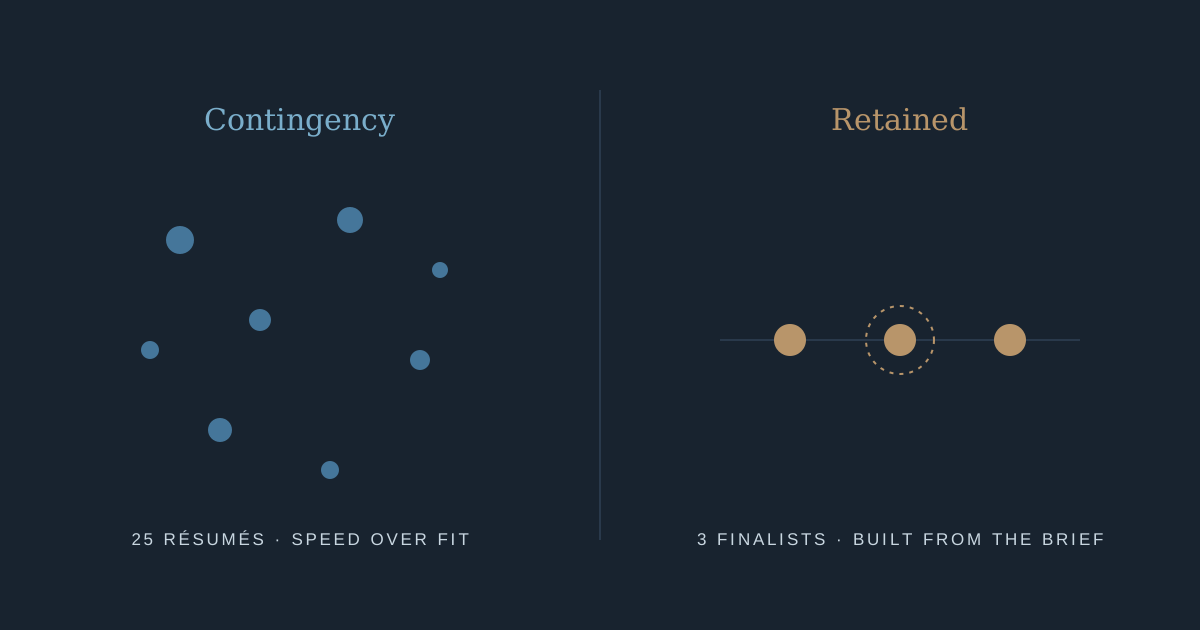
The fee gap between the two models is maybe $20K. The mis-hire exposure on the same role is $1.25M. A side-by-side on fee structures, incentives, and the math that decides which model is actually cheaper — including where contingency genuinely wins.

9 min read Read →
Illustration for article: Manufacturing Skills Gap

Manufacturing

The Manufacturing Skills Gap That Automation Made Worse

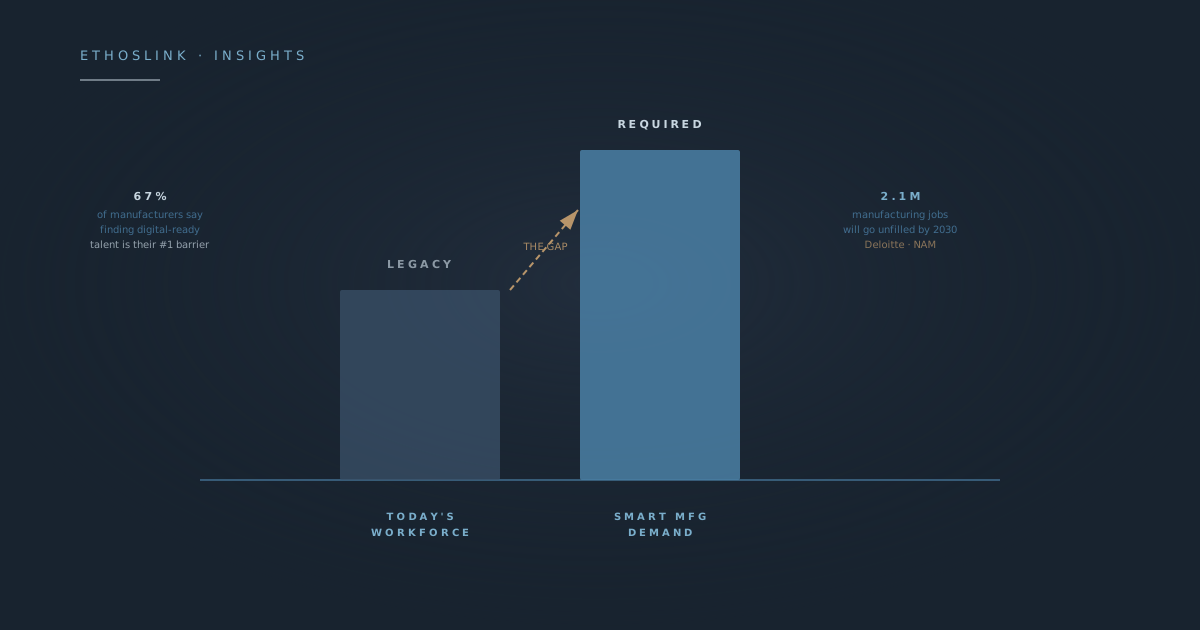
Smart manufacturing is installed. 2.1 million jobs will go unfilled by 2030. The workforce required to operate it doesn't exist at the volume the industry needs — and the automation investment itself disrupted the pipeline that used to produce it.

9 min read Read →

Want this in your inbox?

One thoughtful piece per month. No tracking, no funnels, no AI listicle filler. Email us to be added.